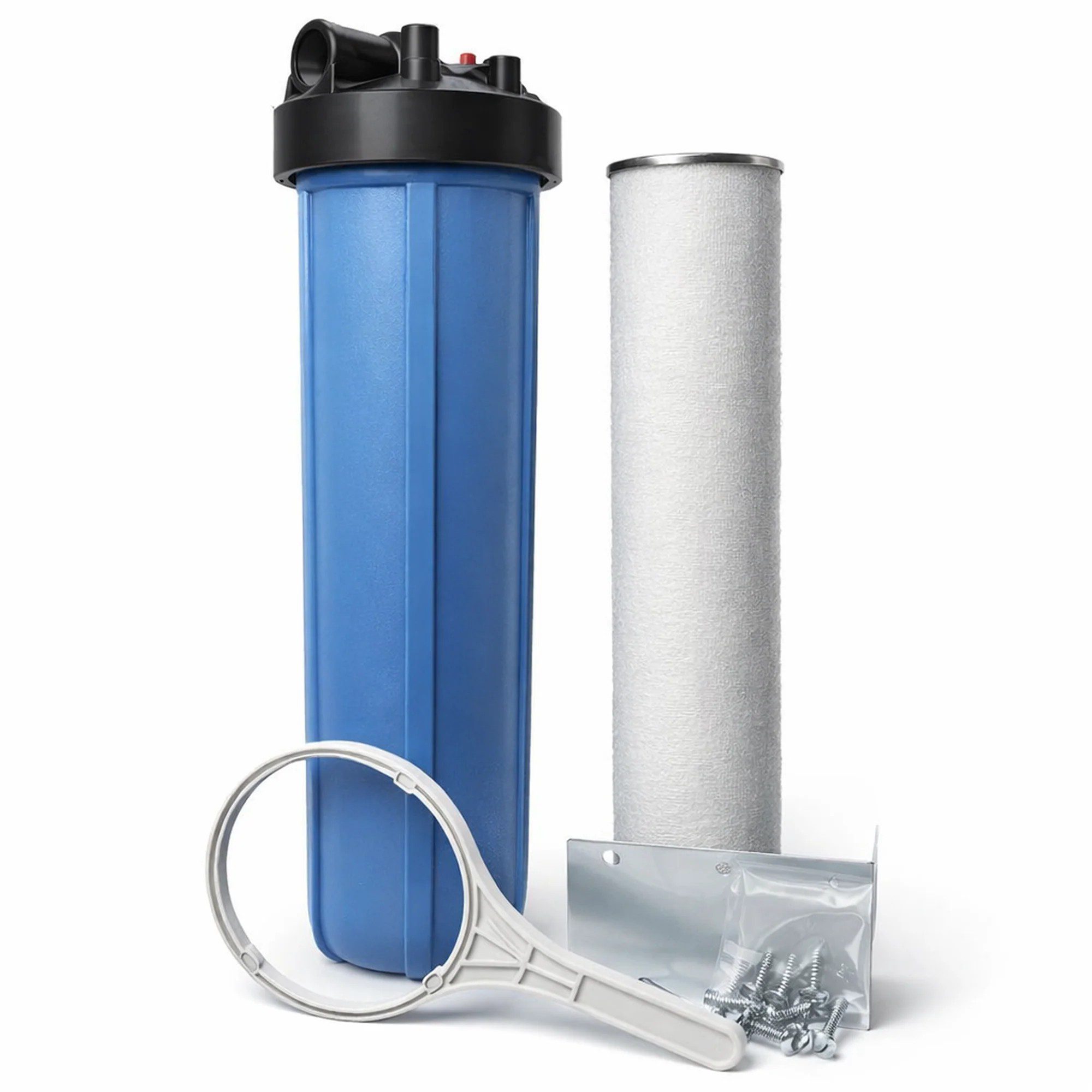
What Is a Sediment Filter?
Sediment filters is a mechanical filtration device used to physically capture suspended solids such as sand, silt, rust flakes, clay and other particulate matter before they enter your plumbing, appliances or other forms of filtration equipment. Rather than using chemicals or chlorine reduction for its operation, a sediment filter works simply by forcing water through a medium that blocks particles above certain sizes.
Size, measured in microns, is the primary consideration when purchasing any sediment filter. Most whole-house sediment filter systems incorporate this stage as their initial step, before any carbon filters, water softeners, UV systems or reverse osmosis units are installed. Think of it like an “airbag”, acting to keep any potentially problematic chemicals or tastes from impacting everything further downstream.
Why sediment filter Matters
Sediment doesn’t just taint water’s aesthetic appeal – left unfiltered it also corrodes valves and faucet cartridges, shortens water heater and washing machine lifespan and clogs up more costly filters that you have paid for already. Homeowners with well water often experience slow pressure decline over months that’s usually linked with sediment build-up on pipes lining its interior walls as an often unnoticed cause.
Who Actually Needs One
Not every household needs dedicated sediment filters, and it’s worth being honest about that instead of pushing a blanket recommendation.
- Private well owners almost always benefit — wells commonly pull in sand, silt, and mineral particles directly from the aquifer.
- Home with older galvanized or iron plumbing may see an accumulation of rust particles due to internal pipe corrosion, while those operating an RO system, UV purifier or water softener need a sediment pre-filter in order to safeguard this equipment against possible fouling or damage.
- Municipal water customers tend to require less filtering since treatment plants already remove most sediment; however, repairs to main lines, construction nearby or sudden increases in turbidity could still send dirty water through your taps occasionally.
- Tenants or single fixture issues (for which just a tap needs cleaner drinking water) would typically benefit more from an individual point-of-use filter system rather than installing a whole-house system.
If your water runs clear year-round and comes from an upkeep-oriented municipal source, an osmosis system might not be essential – that’s a fair statement and should not be seen as a sales pitch.
How Sediment Filters Actually Work
There are two basic filtration approaches:
Surface filters (pleated filters) capture particles on the outside of a folded membrane and are easy to inspect and washable, yet fill up faster when dealing with high sediment loads.
Depth filter cartridges (spun or melt-blown cartridges) utilize multilayered fibers that increase in density toward their core to capture a wider variety of particle sizes and hold on to more debris before becoming clogged up, and are thus often preferred when dealing with water with moderate to heavy sediment levels.
Water enters the housing, passes through the media, and particles larger than the rated micron size get trapped — either on the surface or throughout the depth of the material — while clean water continues on to your plumbing.
Types of Sediment Filters Compared
| Type | Best For | Typical Lifespan |
| Spun/melt-blown cartridge | General residential, well water | 1–3 months |
| Pleated cartridge (washable) | Lighter sediment, eco-conscious users | 3–6 months |
| String-wound | Heavy sediment, budget-friendly | 1–2 months |
| Ceramic | Fine filtration, cleanable | 6–12 months |
| Spin-down (flush valve) | Well water pre-filtration, low waste | Reusable, flush weekly/monthly |
| Backwashing tank system | Heavy sediment, hands-off maintenance | Media lasts years |
If you’re dealing with heavy well sediment and don’t want to change cartridges every few weeks, a spin-down or backwashing system pays for itself in convenience even though the upfront cost is higher.
Micron Ratings: The Decision That Actually Matters
Micron rating measures the minimum particle size that will be captured by your filter; lower numbers indicate better fine filtration capabilities.
- 50-100 microns: Coarse pre-filtration for extremely sediment-heavy well water systems
- 20–50 microns: the standard starting point for most whole-house setups
- 5–20 microns: finer filtration for general residential use
- 1–5 microns: typically used ahead of reverse osmosis or UV systems
Plumbers typically follow this rule when selecting filters: start at 20 microns. If water remains murky after this initial stage has been applied, add another finer filter (typically 5 microns) rather than going straight for the most stringent option – an overly fine filter typically becomes blocked quickly and needs frequent replacement.
Whole House Vs Point-of-Use
Whole-House (Point-of-Entry) systems install at the main water line to protect all fixtures and appliances within a home while point-of-use filters attach directly to taps or appliances for targeted protection of only that specific connection.
Depending on the scope and extent of sediment build-up in a household, such as multiple fixtures requiring replacement due to buildup in their water heater or appliances failing prematurely, whole house filters might be more economical in the long term than point-of-use filters; although both options offer similar solutions. Point-of-use filters offer cheaper installation solutions – especially advantageous for renters unable to change plumbing lines directly.
How to Select an Appropriate Water filter
- First consider your source and symptoms. Well water with visible sediment needs different handling than occasional municipal turbidity.
- Size the housing to your flow rate. So as not to experience pressure-drop, be sure to match a filter’s GPM rating to your home’s peak usage so as to prevent pressure fluctuations from decreasing too rapidly.
- Pick a starting micron rating — 20 microns for most situations, adjusting based on results.
- Make an informed choice between cartridge and low maintenance systems (spin down or backwashing), depending on how often maintenance will need to take place.
- Check certifications. Look for NSF/ANSI Standard 42 (aesthetic effects) — Standard 53 applies more to health-related contaminant reduction and matters if you’re pairing with additional treatment.
- Confirm plumbing compatibility — most residential setups use ¾” or 1″ connections.
5 Best Sediment Filters
1. iSpring WSP-50 Spin Down Sediment Filter
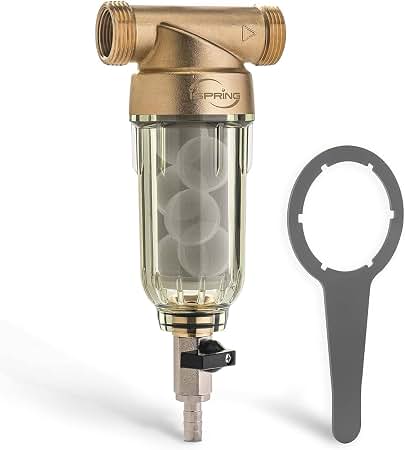
iSpring WSP-50 Spin Down Sediment Filter is the best all-around choice, especially if you’re on well water. It uses a 50-micron stainless steel mesh screen housed in lead-free brass, and instead of replacing a cartridge every few months, you simply flush it clean — which saves money and hassle over time.
TDual threaded connections (1″ MNPT and 3/4″ FNPT) make installation flexible across various setups, while its 50 micron coarse screening makes for efficient pre-filtration in first stage pre-filtration situations (i.e. protecting finer filters down stream from being overwhelmed), rather than providing standalone fine filtration solutions. On sandy well water systems it may need to be flushed more regularly due to sediment accumulation; in such environments however its value quickly accrues compared to alternatives.
2. Membrane Solutions 5 Micron String Wound Filter
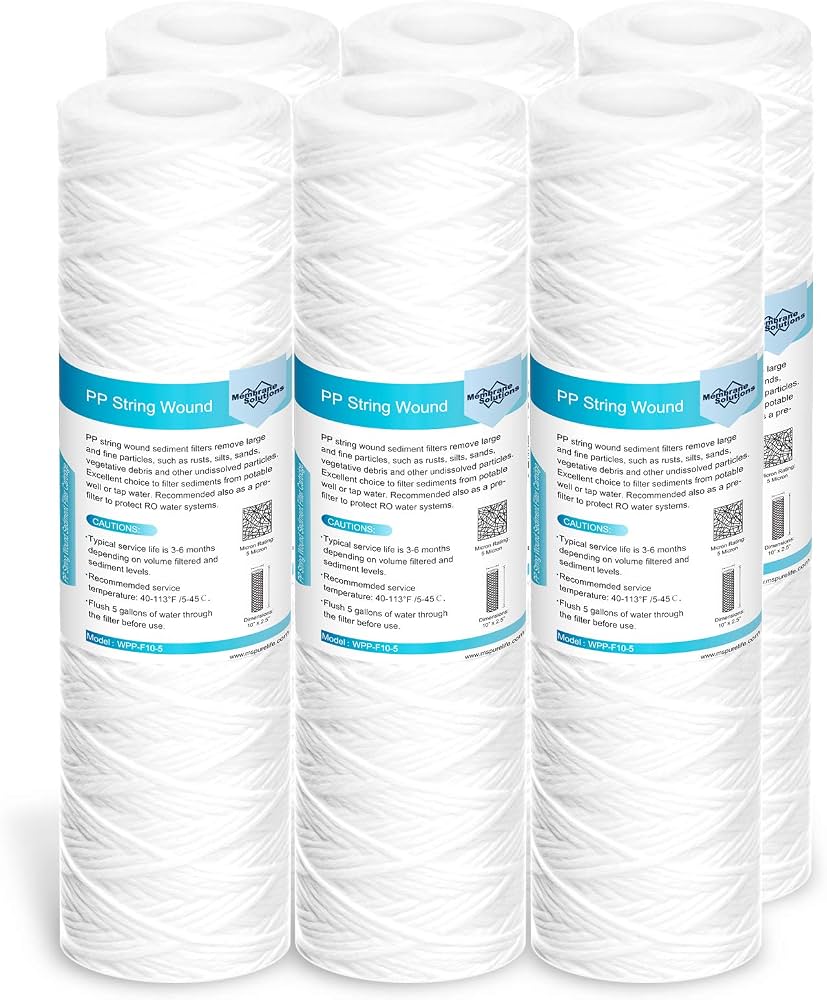
Membrane Solutions 5 Micron String Wound Filter is the best budget option if you’re dealing with heavy sediment and want high capacity without spending much. Its string-wound polypropylene construction has a graded honeycomb structure that traps sediment progressively, giving it a notably higher dirt-holding capacity (rated for roughly 15,000–20,000 gallons) than standard spun filters.
It’s NSF 42 certified for material safety, though it only removes physical particles — no chlorine or chemical reduction. It works especially well as an inexpensive pre-filter ahead of an RO unit or carbon stage for well water households.
3. GE Whole House Water Filtration System (FXHTC/FXHSC)
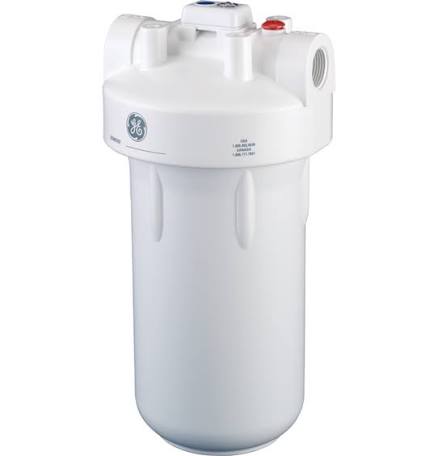
The GE Whole House Water Filtration System offers municipal water users looking for something simple and pre-packaged an all-in-one filter system solution. Featuring a mounting bracket and bypass valve with clear sump, its clear sump allows users to visualize when sediment builds up instead of guessing when to change filters
The downside being horizontal installation only and filter replacement needing replacing every three months without included replacement filters in box; though effective against sediment, rust, scale reduction it won’t address chlorine or taste issues so best used against municipal rather than well water sources with light to moderate particulates than heavy well-water sediment loads for best performance results.
4. Aquaboon 5 Micron Sediment Filter
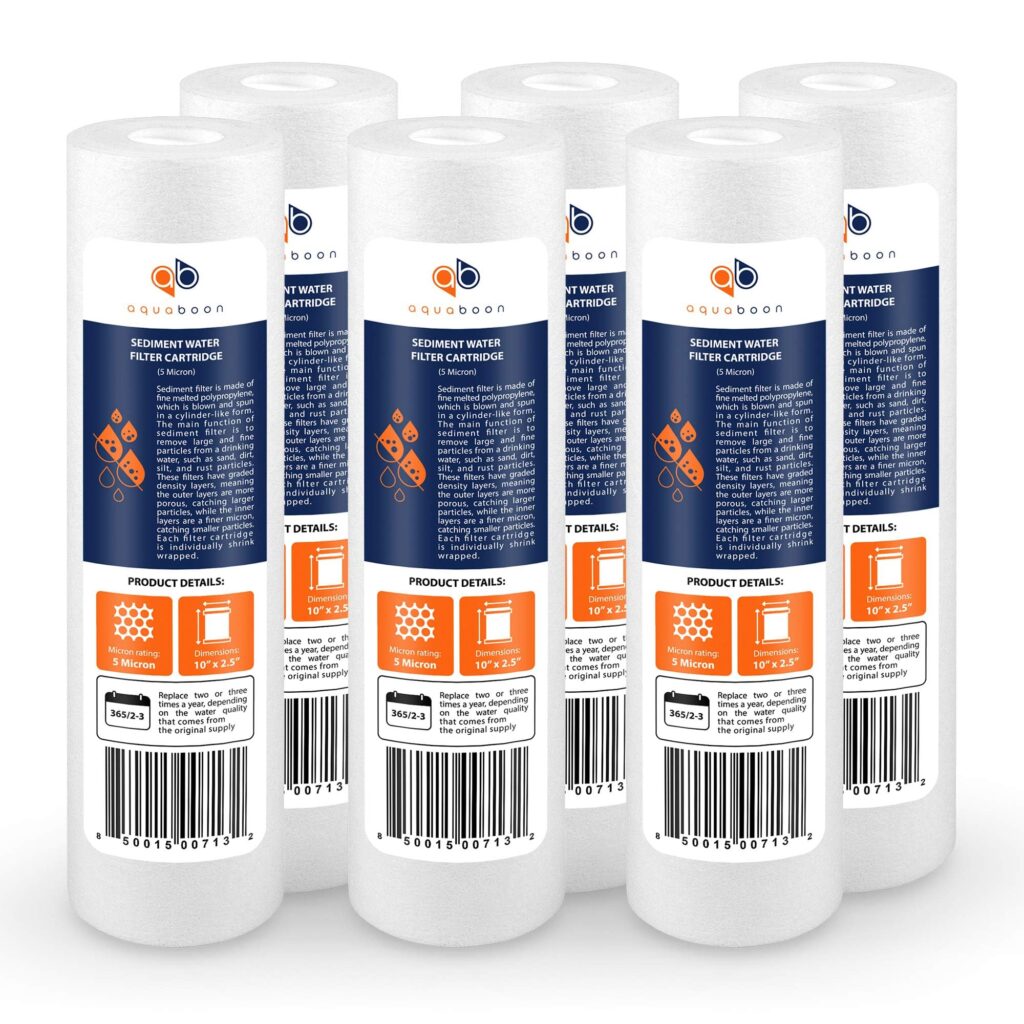
Aquaboon 5 Micron Sediment Filter is a dependable, no-frills workhorse for city water or lightly sedimented well water. Its melt-blown polypropylene construction is food-grade and sheds no fibers, and owners consistently report stable water flow with minimal pressure drop even as the filter loads up — something cheaper alternatives often struggle with.
Fits most standard 10×2.5-inch housings easily for effortless swap-in, it doesn’t reduce chlorine or improve taste, and in areas of higher sediment build-up may clog faster than string wound designs – however for daily moderate sediment needs it makes an affordable and reliable standard choice.
5. PUREPLUS 5 Micron Whole House Carbon + Sediment Filter
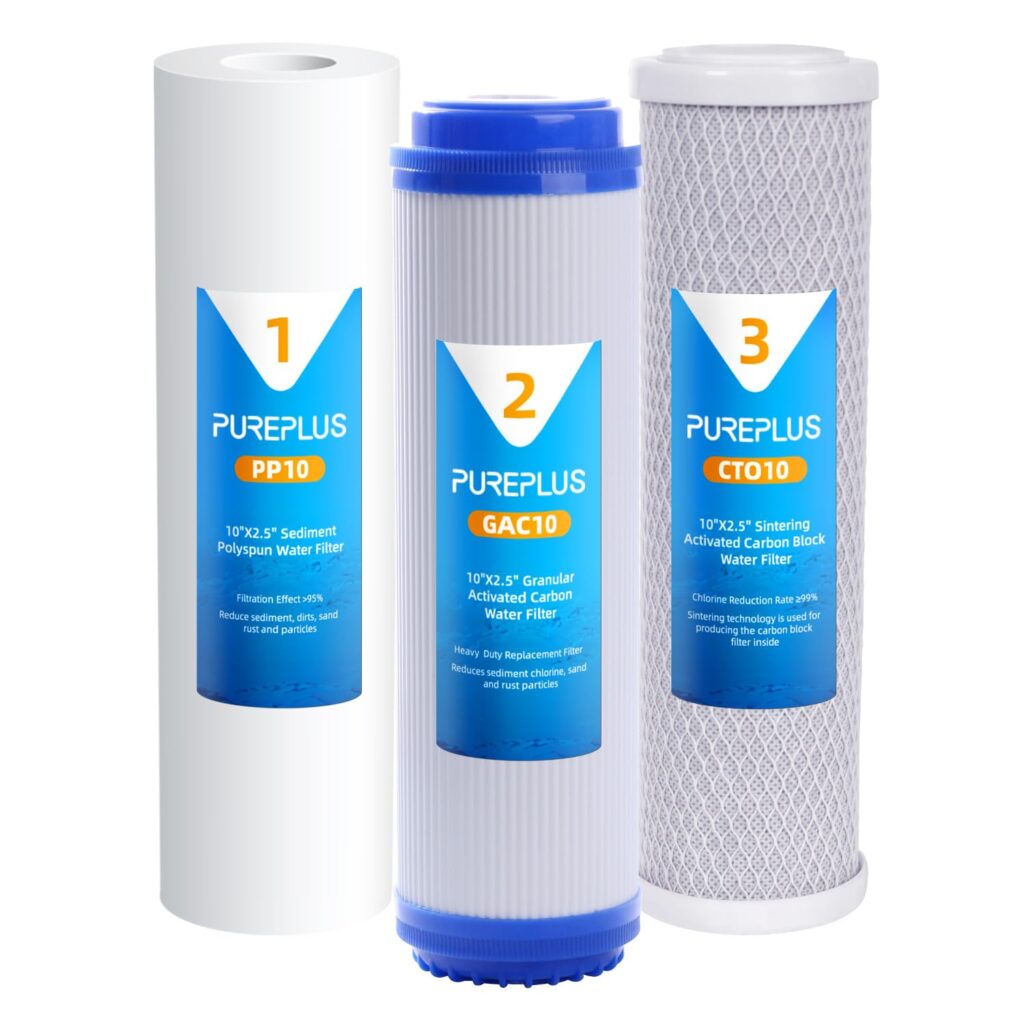
PUREPLUS 5 Micron Whole House Carbon + Sediment Filter is the pick if you want particle removal and better-tasting water from a single cartridge. It combines three graded polypropylene sediment layers with a coconut-shell activated carbon core, so it captures grit while also noticeably reducing chlorine taste and odor — something pure sediment-only filters can’t do.
Rated to accommodate up to 30,000 gallons, this cartridge outlives most single-purpose sediment cartridges while fitting seamlessly into common 10″x4.5″ housings – such as those found on GE and Culligan systems. However, its carbon component often becomes blocked quickly when dealing with high sediment well water conditions – therefore rendering this filter incompatible. Designed specifically for city water applications rather than well water settings due to carbon’s tendency for rapid clogging quickly under high-sediment conditions; not suitable in those cases either way.
Installing a Sediment Filter (Overview)
Installation typically goes right after the main shutoff valve, ahead of the water heater. Shut off the water supply, relieve pressure at a nearby faucet, cut in the housing with shutoff valves on both sides (this makes future maintenance far easier), insert the cartridge with correct flow direction, and flush the system for several minutes before use. If you’re not comfortable with basic plumbing work, this is a reasonable job to hand to a licensed plumber — incorrect installation, especially reversed flow direction, is one of the most common DIY mistakes.
Maintenance: Don’t Skip This Part
A neglected filter isn’t just ineffective — a cartridge left in place too long, especially in warm conditions, can actually become a place where bacteria grows. Replace cartridge-style filters every 1–3 months depending on sediment load, flush spin-down filters weekly to monthly, and check backwashing systems every few years for media condition. Watch for dropping water pressure or visible discoloration in a clear housing as your cue that it’s time.
Sediment Filters vs. Other Water Treatment
| Method | Removes Sediment | Removes Chemicals/Taste | Removes Bacteria |
| Sediment filter | Yes | No | No |
| Carbon filter | Partial | Yes | No |
| Reverse osmosis | Yes (via pre-filter) | Yes | Partial |
| UV purification | No | No | Yes |
| Water softener | No | No | No |
sediment filter systems rarely serve as an end in themselves — rather, they lay the groundwork that ensures whatever comes next works better and lasts longer.
Conclusion
An inexpensive sediment filter upgrade for any home’s water system, a sediment filter is one of the least glamorous yet most cost-effective additions you can make to it. Your decision hinges upon three considerations: severity of sediment problem; micron rating/type suitable to severity; whole house coverage or just point-of use filtration required
When these three elements align correctly, everything downstream — pipes, appliances and any additional filters running — last longer and function better. If you’re still unsure after testing your water, a local licensed plumber or water treatment specialist can usually seize the right system in a single visit.
These information are gathered from different surveys, medical tests and tech giants like google, wikipedia and more. Our top priority is to provide you valuable information.
For More Details About Different Water Filters Click Here