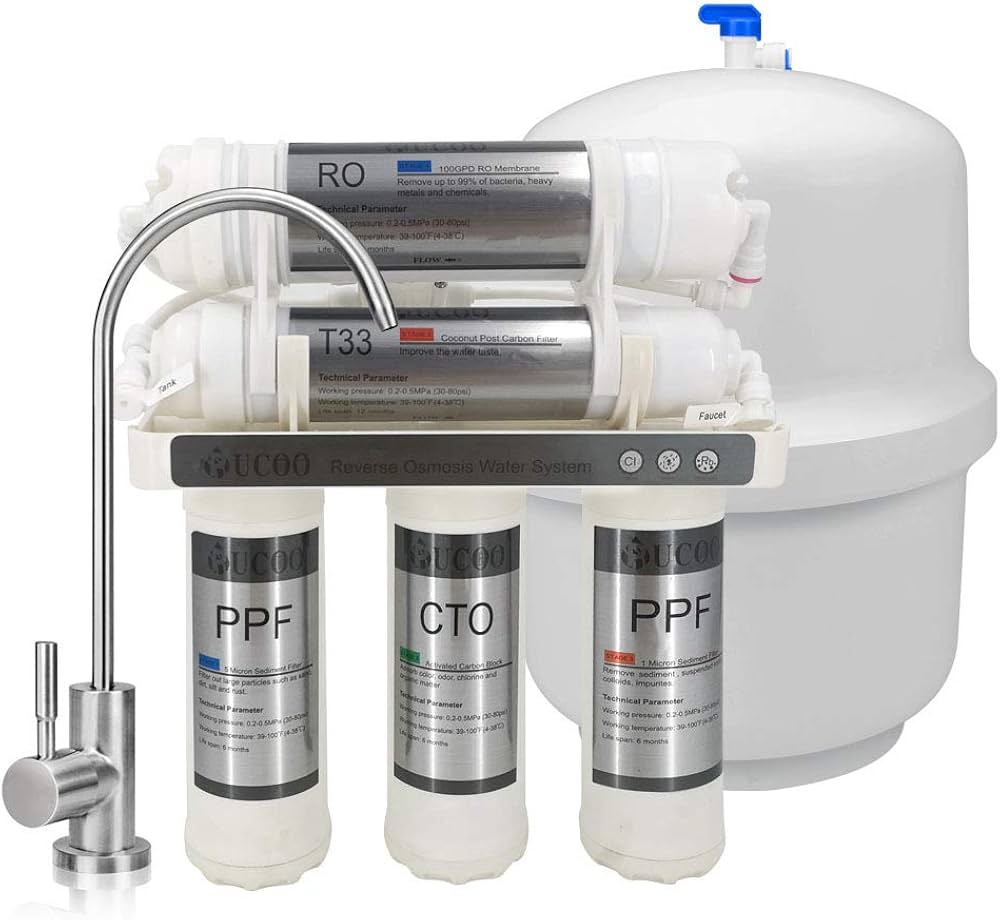
If you’ve been searching for a reverse osmosis water softener, you’ve probably noticed something strange: half the results talk about softeners, the other half talk about reverse osmosis, and nobody quite explains how the two connect. As they differ in key ways, purchasing or neglecting to purchase either can easily lead to costly errors.
Here is the short version: Reverse Osmosis and Water Softener systems are two separate solutions for providing protection from hard water damage to your entire home while purifying drinking water for safe consumption.
An RO system purifies the water you actually drink and cook with. Most people searching this term need to understand both before they spend a dollar.
Reverse Osmosis and Water Softening Aren’t Equivalent
Water softening systems use an ion exchange process to filter calcium and magnesium ions that contribute to hard water out of your supply and exchange them for sodium or potassium ions as the water passes through its tanks.
Every so often, however, the system flushes itself with saltwater brine solution to restore resin beads inside its tank as well as replenish their supply of resin ions.
Reverse osmosis works differently from conventional water purification methods: it filters water under pressure through a semi-permeable membrane to filter out dissolved solids, chlorine byproducts and contaminants to an almost molecular level.
It’s installed at a single point — almost always the kitchen sink — not across your entire home.
How the Two Systems Work Together
When you do install Reverse Osmosis Water Softener, sequencing matters more than most buying guides mention.
Softened water should always pass through a softener before being fed into an RO system, to protect its membrane from scale buildup – one of the primary reasons RO membranes wear out early in hard water areas.
A typical combo Reverse Osmosis Water softener installation looks something like this:
- Test your water first. Get a hardness reading (in GPG) and a TDS reading, or pull your municipal water quality report if you’re on city water.
- Size your softener according to household size and hardness level – most residential systems typically range between 32,000 and 48,000 grains.
- Before installing near the water heater, so that it treats water before disseminating to fixtures.
- Drain the softener’s drain line directly to a floor drain or standpipe for convenient brine discharge during regeneration cycles.
- Install the RO unit under the kitchen sink, feeding it from the softened cold water line — not before the softener.
- Run the RO drain line to the sink drain through an air gap fitting to prevent backflow.
- Flush both systems per the manufacturer’s instructions before regular use, and set reminders for filter and salt maintenance.
Skipping step 2 in that sequence — installing Reverse Osmosis Water Softener — is one of the most common and avoidable mistakes homeowners make. Reverse Osmosis Water softener shortens membrane life and adds unnecessary filter-replacement costs down the line.
If a Full Combo System Isn’t Right for You
Not everyone needs both pieces, and there are reasonable alternatives depending on your situation:
- Salt-free water conditioners reduce scale formation without actually removing hardness minerals — a reasonable option for households that want to avoid added sodium but still get some scale protection.
- Whole-house carbon filters handle chlorine taste and odor complaints without touching hardness or fine dissolved solids.
- Under-sink RO alone makes sense if your water is already soft and your only complaint is taste or TDS.
- Magnetic or electronic descalers are marketed as scale reducers, but independent testing has generally found them far less reliable than true ion exchange softening.
5 Best Reverse Osmosis Water Softeners
1. Aquasure Harmony 64,000 Grain Softener + 75 GPD RO Bundle (AS-PR75HS64D)
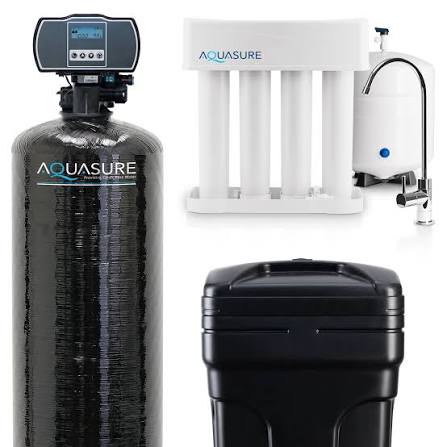
This is the best straightforward budget option, priced at $869.99. It pairs a 64,000-grain digital-metered softener suited for 4–6 bathrooms and up to 8 people with a 4-stage 75 GPD under-sink RO unit. It’s one of the cheapest true combo bundles where both pieces already come matched to work together.
2. Aquasure Signature Series 64,000 Grain Softener with UV Disinfection + 75 GPD RO (AS-WSUV64RO)
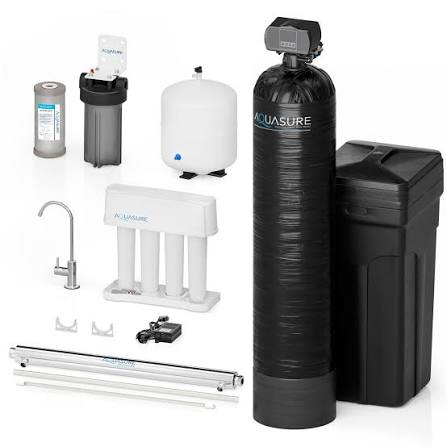
This bundle represents an upgrade over its Harmony counterpart by adding an additional 12 GPM UV disinfection stage, creating a seven-stage system. This upgrade is worth it if you’re on well water and want bacteria or virus protection alongside softening and purification, rather than just treating city water.
3. PRO+AQUA Elite Whole House Filter, Softener + RO Bundle (BNDL-WEL-RO)
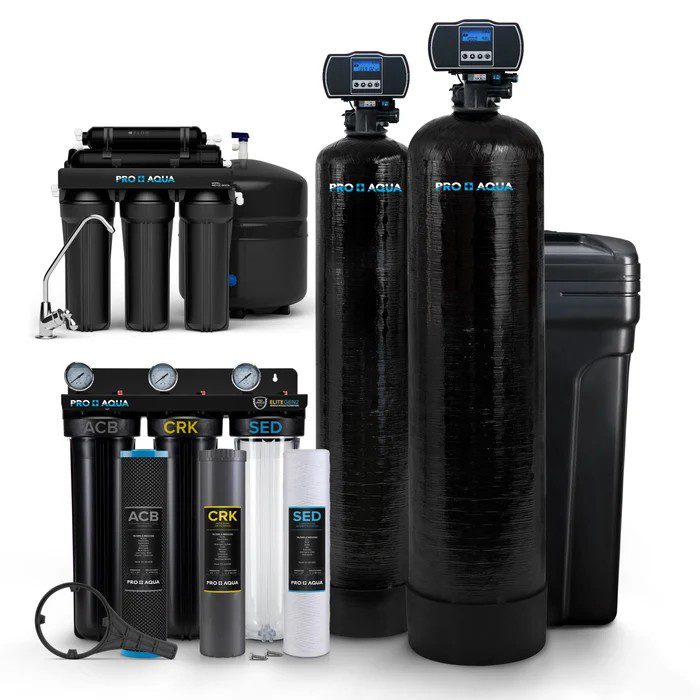
At around $2,289.92, this fully bundled option costs more than Aquasure bundles but provides whole-house filtration, softening and reverse osmosis in one purchase – perfect for buyers who’d rather get everything together all at once rather than piecemeal.
4. SpringWell Well Water Softener + Filtration System
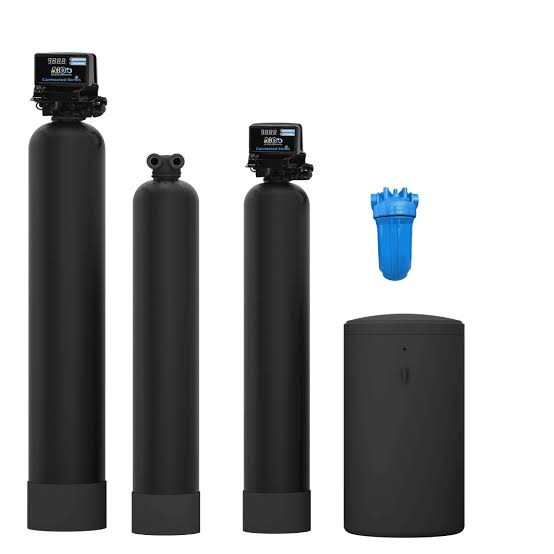
SpringWell offers premium individual components starting at $4,299 which are intended to complement their separate RO system. Waterlogic softener and RO units come complete with lifetime tank/valve warranties as well as 6-month money-back guarantees, giving customers extra peace of mind.
5. Kinetico has released their K5 Drinking Water Station (paired with their Kinetico Softener)
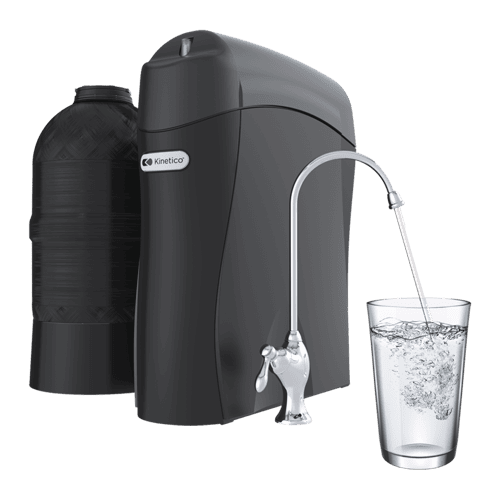
This is the premium, professionally installed route. Kinetico extends the K5’s RO membrane warranty to 10 years when it’s paired with one of their softeners, since softened feed water is what makes that membrane life realistic. There’s no listed online price — a local Kinetico dealer quotes based on your home and a water test, and that quote includes professional installation and ongoing service.
A Quick Way to Decide
| Your Situation | What You Likely Need |
| Hard water, but tap water tastes fine | Water softener only |
| Soft water, but tap water tastes bad or has high TDS | Under-sink RO only |
| Hard water and bad-tasting or contaminated tap water | Softener (whole-house) + RO (under-sink) |
| Hard water, but sodium-restricted diet | Salt-free conditioner + RO |
| Well water with iron or sulfur present | Add an iron/sulfur pre-filter ahead of the softener and RO |
If budget forces you to choose one system first, install the softener if hardness is your main complaint — it protects your plumbing and appliances immediately. You can add RO later once budget allows.
What to Look for Before You Buy
Before purchasing any Reverse Osmosis Water softener system, it’s advisable to review its certifications:
- NSF/ANSI 44 covers water softeners specifically.
- NSF/ANSI 58 covers reverse osmosis drinking water systems.
- NSF/ANSI 42 covers general aesthetic improvements like chlorine taste and odor reduction, relevant to carbon pre-filters.
- WQA Gold Seal certification is an additional third-party accreditation, often carried by manufacturers on top of meeting NSF standards.
When seeking Reverse Osmosis Water softener quotes locally, ask installers whether their equipment carries these certifications and whether they offer free water tests as part of their services and maintenance plans. Installation services range from national franchise dealers and independent water treatment specialists all the way up to large box retailers who provide installation with different warranty terms across providers.
Conclusion: Reverse Osmosis Water softener
Reverse Osmosis Water softener refers to an umbrella term rather than one specific product: whole-house softeners are designed for hardness management while under-sink RO systems purify directly at the faucet. Your choice between them ultimately depends on whether your water leaves behind scale, tastes off, or both factors are at work in its composition.
As part of your hardness and TDS test, compare your results against the decision guide above, and get quotes from at least two local installers who can confirm certifications and walk you through maintenance before making your commitment. Taking this time-intensive step early on can save money and stress down the line.
These information are gathered from different surveys, medical tests and tech giants like google, wikipedia and more. Our top priority is to provide you valuable information.
For More Details About Different Water Filters Click Here