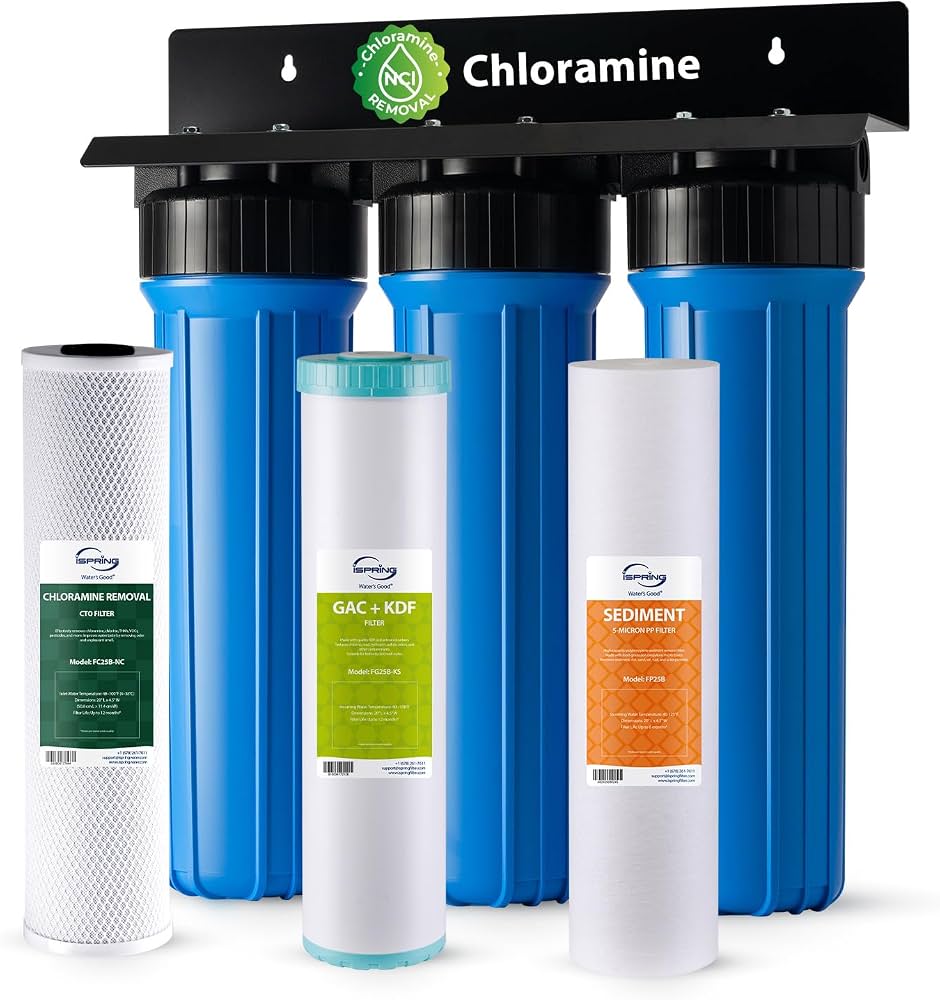
If your tap water smells a little bit of a public pool you’re not going crazy. That scent is nearly always the result of chlorine or chloramine, the disinfectants that your utility has added to keep it free from harmful contaminants between when it leaves the treatment plant and arrives at your tap. A chlorine water filter is simply a filter designed to extract that chemical after it has done its job, so what you get out of the tap smells like nothing, tastes like nothing.
The challenge, however, is not in looking for a chlorine water filter — but the appropriate one. The other problem, though — not every “chlorine water filter” on the shelf actually treats chloramine (now being used in more than one out of five U.S. households) and a lot of marketing copy mixes them up. This guide will explain how chlorine water filter works, which chlorine water filter is right for you, what certifications mean and how much chlorine water filter should cost.
What is a Chlorine Water Filter
Essentially, a chlorine water filter acts by using activated carbon to adsorb chlorine molecules when the water flows through it. What this means is that the chlorine sticks to the surface of the carbon rather than reacting chemically, which is also why plain granular carbon can be so effective on free chlorine but much less so with chloramine, which is a far more stable compound.
This is the biggest single thing that most buying guides out there fail to mention: chlorine and chloramine are not the same problem (and so you cannot treat them as such). Chloramine is a combination of chlorine and ammonia, and utilities favor it because it stays in the pipes longer, leading to fewer regulated byproducts. However, that same stability makes it resistant to simple carbon-filter treatment. Catalytic carbon or KDF (copper-zinc) media that accelerate the chemical breakdown of chloramine, or convert chlorine to harmless chloride via a redox reaction are essential in getting it out completely.
The real first question before you buy anything is not “which chlorine water filter is best” — but rather, “does my water have chlorine or chloramine?”
How to Check the Contents of Your Water
Each U.S. water utility publishes an annual Consumer Confidence Report (CCR) stating what disinfectant it uses. The best place to look is often-times the utility workers own website or you can simply call their customer service line directly. In just ten minutes people learn how they would have avoided the #1 complaint in filter reviews: someone bought a basic pitcher filter, thought their water was treated with chlorine (it wasn’t chloraminated), and expected removing the chlorine smell, only to be disappointed.
Is Chlorine in Tap Water Actually Safe?
Yes, within the levels utilities are required to maintain. The EPA sets a Maximum Residual Disinfectant Level (MRDL) of 4 mg/L for both chlorine and chloramine, and the CDC states that levels up to that threshold are considered safe and unlikely to cause illness. Most utilities actually run lower than the cap, typically in the 0.5–3.5 mg/L range at the point of use.
So filtering chlorine isn’t primarily a safety fix for most households — it’s a taste, odor, and comfort upgrade. This is still important, but there are specific situations where it matters a little bit more:
- Reverse Osmosis Systems, where the chlorine is present in unfiltered form and with passage of time will degrade the membrane.
- Ice makers and appliances that pick up chlorine taste
- Aquariums and ponds, where chlorine and chloramine are genuinely toxic to fish — though this calls for a dedicated aquarium dechlorinator, not a household drinking filter
But one caveat should be stated plainly: a chlorine water filter is no substitute for water safety. A standard carbon filter does not render water safe to drink if your utility has issued a boil-water notice. Instead, chlorine water filter is designed as an enhancement for treated water that has already been shown to be safe and sanitising non-safeguarded supplies.
Types of Chlorine Water Filters
Not all chlorine water filters are the same when it comes to removing chlorine and chloramine, durability, and cost. This is how the key categories stack up.
| Filter Type | Best For | Chloramine Performance | Typical Lifespan | Approx. Cost |
| Pitcher filter | Renters, small households | Low–moderate | 1–3 months | $20–$60 |
| Faucet-mount filter | Kitchen tap only | Moderate | 2–3 months | $25–$50 |
| Under-sink carbon filter | Dedicated drinking water | Moderate–high | 6–12 months | $80–$300 |
| Refrigerator/ice-maker filter | Fridge dispenser and ice | Low–moderate | 6 months | $30–$80 |
| Reverse osmosis (with carbon pre-filter) | Comprehensive filtration | High | Pre-filter every 6–12 mo. | $200–$600 |
| Whole-house carbon tank | Entire home, showers, laundry | Moderate–high (with catalytic media) | 3–5 years | $500–$2,500 installed |
| Shower filter | Skin/hair sensitivity | Moderate–high | 3–6 months | $25–$70 |
NSF Certifications: What the Numbers Actually Mean
This is where most buying guides get vague, and it’s exactly where you can make a smarter decision. Filters aren’t just “NSF certified” — they’re certified to a specific standard, and each standard covers different things.
- NSF/ANSI 42 covers aesthetic effects — chlorine, taste, odor, and particulates. This is the standard that actually matters for chlorine removal claims. Certified filters are tested against water dosed with 3.0 mg/L of chlorine and must bring it down to 0.5 mg/L or lower.
- NSF/ANSI 53 covers health-related contaminants like lead, cysts, and certain VOCs. A filter can carry NSF 42 without touching lead at all — the two aren’t the same claim.
- NSF/ANSI 58 applies to reverse osmosis systems and dissolved solids reduction.
- NSF/ANSI 401 is newer, which addresses emerging contaminants like pharmaceuticals — and not chlorine specifically.
In practice that means, if you read a product page summarised as ‘NSF certified’ but there is no mention of the standard number it was tested against — interpret this as a red flag instead of a selling point. Just a proper certificate is linked with the actual standard and thus always verifiable through the certifying body public register.
How to Select the Right Chlorine Water Filter for Your Situation
Once you figure out if your enemy is chlorine or chloramine, the choice for chlorine water filter becomes a lot easier.
- Confirm your disinfectant type using your utility’s CCR.
- Decide what you’re actually treating — just drinking water, or the whole house (showers, laundry, appliances).
- Match the media to the disinfectant. Standard carbon is fine for chlorine alone; chloramine needs catalytic carbon or KDF-enhanced media.
- Check the certification number, not just the word “certified.”
- Factor in flow rate if you’re installing a whole-house system in a multi-bathroom home — undersized systems can noticeably reduce water pressure.
- Budget for replacement media, not just the unit price, since that’s where the real long-term cost lives.
What to Watch Out For
There are a few mistakes that keep coming up in reviews and forums, all of which are easy to avoid once we know where to look.
- Buying a basic chlorine water filter for chloraminated water. This is the number one source of buyer disappointment — the smell doesn’t fully go away because the media wasn’t built for chloramine.
- Letting cartridges run past their rated capacity. Saturated carbon doesn’t just stop working — it can become a site for bacterial growth, which defeats the purpose of filtering in the first place.
- Confusing a household filter with an aquarium dechlorinator. They solve different problems and aren’t interchangeable.
- Undersizing a whole-house system. A unit rated for a single bathroom will bottleneck water pressure in a larger home.
- Assuming carbon filters remove everything. They’re excellent for chlorine and chloramine but don’t reliably handle fluoride, nitrates, or arsenic — those need reverse osmosis or specialized media.
3 Best Chlorine Water Filter Models
1. Aquasana AQ-5300+ (Under-Sink) — Best Overall for Chlorine and Chloramine
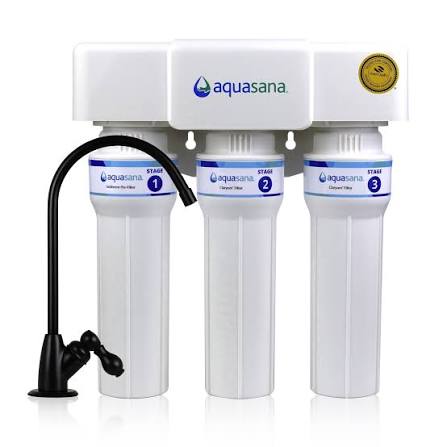
Most filters only tackle free chlorine, but this one uses catalytic carbon, which handles both chlorine and chloramine — a distinction many filters miss. That matters if your municipality uses chloramine, since standard carbon struggles with it. It also holds an active NSF/ANSI 42 listing for taste and odor alongside 53 and 401 listings covering lead and PFAS, so you’re not trading chlorine removal for other protections. Requires basic under-sink installation, but no ongoing plumbing needed.
2. Brita Elite (Pitcher) — Best No-Install Option
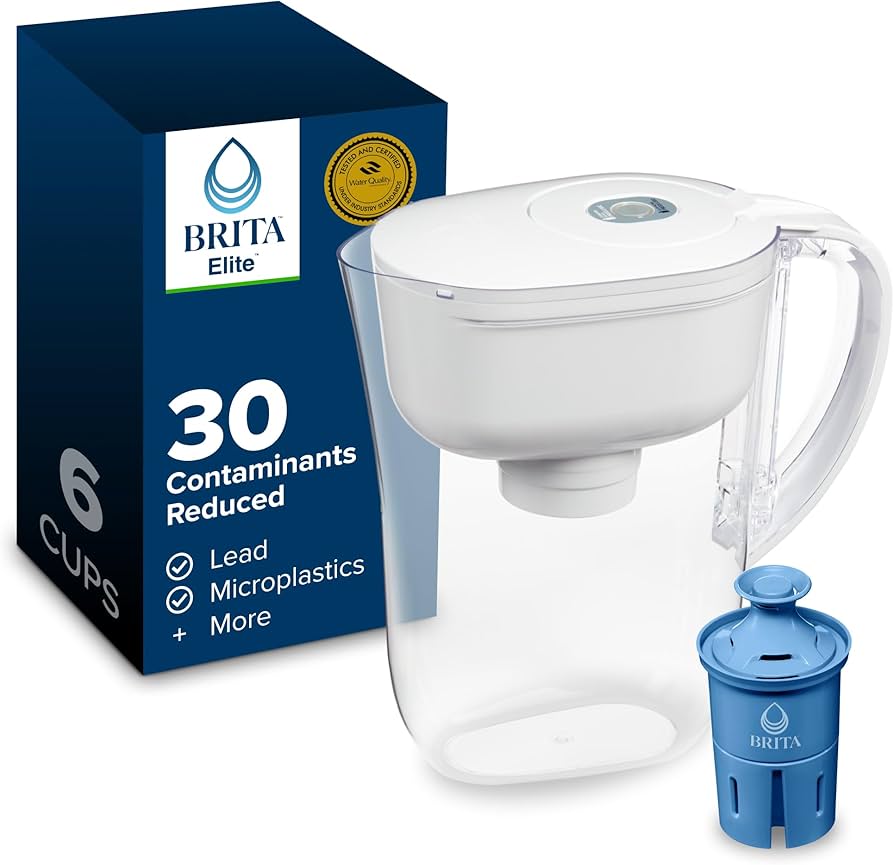
For anyone who just wants a fast, no-plumbing fix, the Brita Elite is the standout pitcher pick. It’s NSF/ANSI 53 certified to reduce lead and other heavy metals — unusual for a pitcher filter — and also carries NSF/ANSI 42 certification for chlorine taste and odor. Each cartridge is rated to last roughly six months or 120 gallons, about three times the lifespan of a standard pitcher filter, which lowers the long-term cost per gallon. Its main limitation: it’s built for free chlorine, not chloramine.
3. AquaTru Carafe (Countertop RO) — Best for Comprehensive Filtration
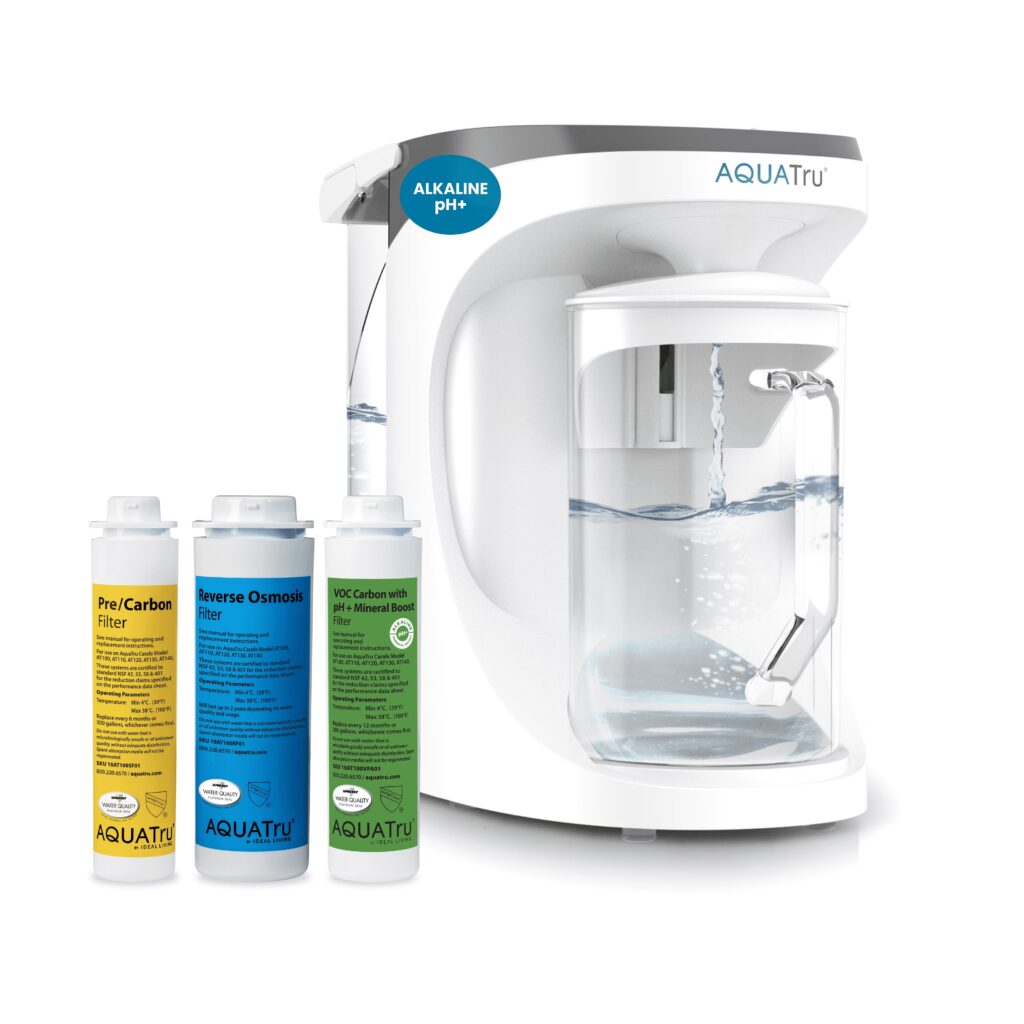
If you want chlorine removal plus broad contaminant coverage without permanent installation, this countertop RO carafe tested best overall. It’s IAPMO certified to NSF Standard 42 for chlorine reduction, as well as 53, 58, and 401, and in independent lab testing it removed 100% of chlorine and every other health-related contaminant detected. It costs more than a pitcher and needs counter space, but it’s the most complete single-unit solution here.
Local Installation: What It Actually Costs
Installation costs differ from area to region and depend on labor rates, but a decent national price range is $500–$2,500 overall for whole-home systems together with gear and pro installation altogether — however the fees themselves run between $150–$800 (depending on your market). Higher in coastal and major metro areas, lower in rural markets.
There are a couple of very direct questions you can ask local water-treatment companies or even plumbers: what NSF standard is this system certified to, and can they check your water 1st (to see if you’re dealing with chlorine or chloramine) before they’re selling equipment. Both should be answered confidently by a qualified installer, and preferably one who also carries formal certification from WQA (Water Quality Association) or is a licensed plumbing contractor at the state level.
FAQs About Chlorine Water Filter
How much does a chlorine water filter cartridge cost?
Most pitcher and faucet cartridges have a lifespan of 1–3 months (or about 40–100 gallons). Under-sink units typically last 6–12 months, while whole-house carbon media range from 3 to 5 years in length based on water volume and chlorine content.
The difference between NSF 42 & NSF 53?
Aesthetic impurities such as chlorine, taste, and odor are reduced by NSF 42. The NSF 53 indicates reduction of health-related contaminants: Lead, Cysts (Parasitic). Filters can include one without the other so note which of these standards applies to the claim you are interested in.
Will chlorine water filters also eliminate fluoride?
No. Regular activated carbon filters are made for chlorine, chloramine, and taste/odor contaminations — they do not remove fluoride and the removal of fluoride requires reverse osmosis, distillation, or other specific adsorption media.
Final Thoughts: Chlorine Water Filter
A chlorine water filter is an easy one for the home filtration upgrade, as long as you start asking yourself the right question: chloramine or chlorine? After that because relating a disinfected to your kind of media check the previous NSf standard on the label rather than just simply the word “certified,” and finally select a format that best indicates how much of your house you would like to protect leaves off enough filters — that truly match in result, versus merely emphasizing it. Once you figure out what you’re filtering for, it can be really easy — whether that’s a better-brewing $25 pitcher or a whole-house system that rids every shower of the smell.
These information are gathered from different surveys, medical tests and tech giants like google, wikipedia and more. Our top priority is to provide you valuable information.
For More Details About Different Water Filters Click Here