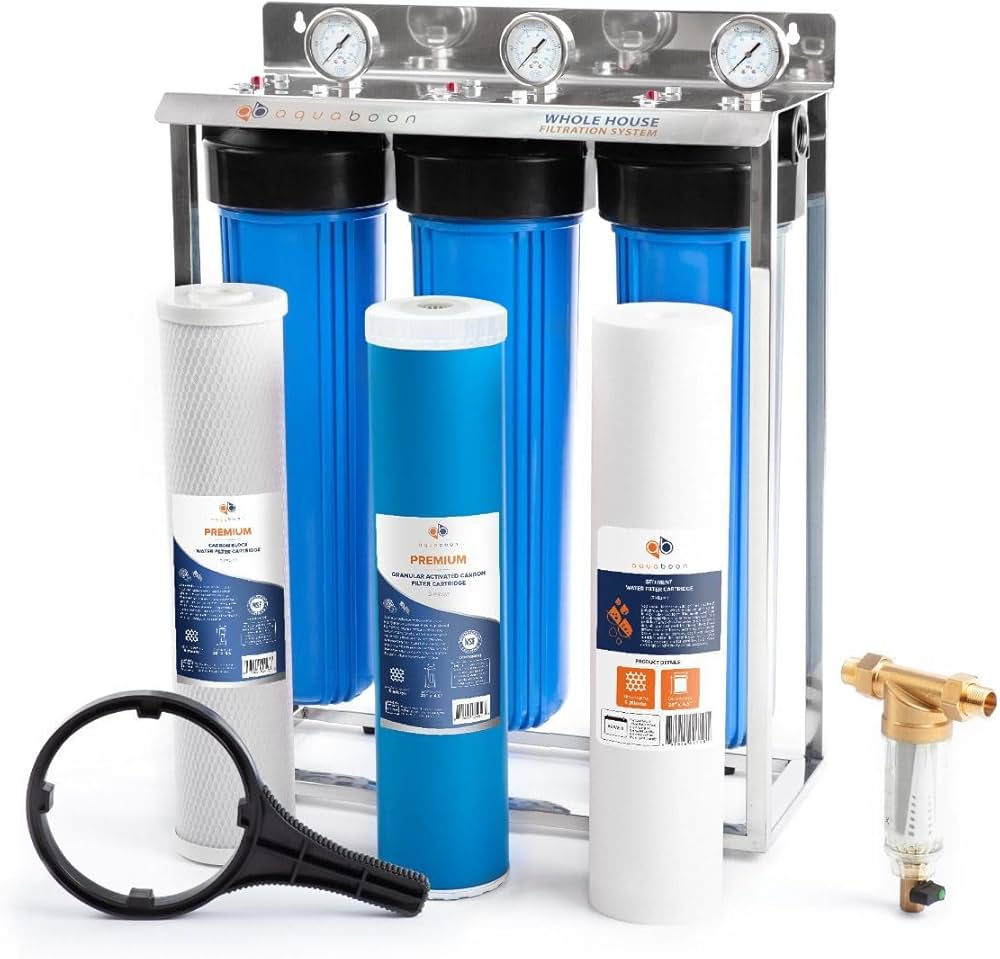
The Science Behind Rainwater Contamination
The rain water purifier system is only effective if you know what it is protecting against. Most people think that rainwater is clean; however, once it lands onto surfaces, contaminating starts. When rain moves through the air, it may gather airborne contaminants, such as dust, dirt, and industrial dust. As it falls onto rooftops and other surfaces, contaminants such as birds’ droppings, leaves and even debris are mixed with the water.
If you don’t have a properly functioning rain water purifier system in place, the impurities will be able to get into the tank you store them in. In time, the growth of parasites, bacteria and microbial contaminants can develop within tanks that have not been treated. Metals with high toxicity can also be introduced into the system based on the roof materials. The reason for a thorough rainwater purification system must include different stages of treatment and water filtration.
If you are planning to utilize rainwater to drink, be aware of the dangers of the initial step in selecting the ideal rainwater treatment process to your home.
Water Quality Testing Before Installing a System
Before installing a rain water purifier system, you must check the quality of the water that you are storing. Even with the strongest rainwater collection system, starting by obtaining reliable information can aid to determine the most suitable design. Home testing kits can be an easy way to check Total Dissolved Solids (TDS) and basic contaminants and pH levels.
If you are planning to make use of the purification process of rainwater for the purpose of making drinking water tests for bacterial contamination, it is advisable. When necessary, submitting the samples to a lab that is certified to gain a greater knowledge of the contaminants that come from heavy metals as well as microbes.
The testing process helps you determine if you require a rainwater purification system, a UV water purifier or a complete reverse osmosis RO rainwater system. This helps avoid overspending and makes sure that your system is compatible with your needs for water quality.
Core Components of a High-Performance Rainwater Purifier System
An effective rain water purifier system is constructed in phases, and each component is able to handle the different types of contaminants. The primary component is the initial flush diverter. It cleans the roof of run off and dirt before the water is able to enter the tank for storage. The following is a sediment filtration system that is designed to catch dust, dirt, and debris.
In the end, activated carbon filters enhance taste, as well as eliminate smells as well as chemicals. To safeguard your house from damage homeowners typically include an ultraviolet water purifier that eliminates germs and bacteria. Advanced systems and technology, reverse-osmosis (RO) rainwater treatment systems will reduce the quantity of dissolved solids, as in addition to heavy metals.
They create a comprehensive rain water purifier system which provides clean, safe drinking water that is suitable for use by the home and drinking.
Comparing Filtration Technologies for Rainwater
There are many different methods for filtration that are the same. So, choosing the right rain water purifier system is contingent on the needs of your. rain water purifier system using gravity is simple to install and does not require electricity, making it ideal for households which are not connected to the grid. It is, however, not capable of eliminating dissolved contaminants.
An ultraviolet rain water purifier system is extremely efficient in eradicating viruses and bacteria However, it’s not capable of reducing total Dissolved Solids (TDS). For greater purity of the water, the reverse Osmosis (RO) rainwater treatment system can get rid of heavy metals and chemical compounds, as tiny particles.
Rainwater purification systems that are integrated into the house will take care of every drop of rainwater that enters, using devices that can filter the water using one faucet. Being aware of the different features can aid when choosing the appropriate rain water purifier system device to suit the needs of your home.
Smart & Solar-Powered Rainwater Purification Systems
Modern homeowners are upgrading their homes to modern rain water purifier system with greater control as well as greater efficiency. Rainwater purification systems powered by solar energy are especially beneficial in rural houses, cabins or off-grid residences. They use solar power to sterilize UV light and pumps. This reduces power consumption and makes sure that the water’s purity.
Advanced rain water purifier systems are equipped with intelligent TDS sensors which monitor the water’s quality in real-time. Other systems offer automatic filter change notifications, ensuring even efficiency. This ensures that the rainwater treatment system is running effectively without having to do manual checks.
Smarter upgrades help to monitor maintenance plans and performance of the system. Homeowners who want efficiency and sustainability can benefit from the automated and solar purification of rainwater solutions, which provide stability and security.
Top 3 Rainwater Purifier System Models for Home Use
1. APEC ROES-50 Reverse Osmosis System
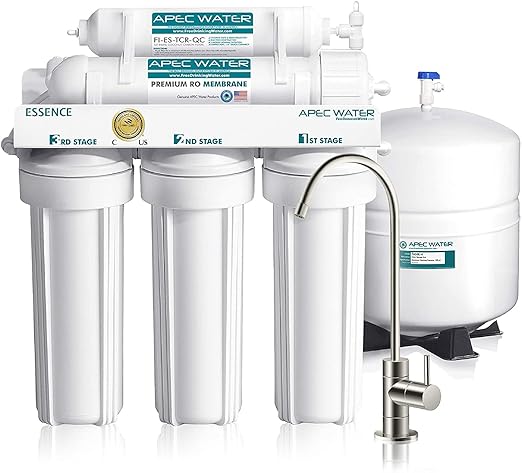
The APEC ROES-50 Reverse Osmosis Systems is a filtration device with multiple stages specifically designed to get rid of the dissolved solids, heavy elements, as well as chlorine and various other pollutants. It can be used as an accessory to a point-of-use upgrade in a rainwater purification system. It’s located within the kitchen and it supplies pur drinking water after the pre-filtration process that includes carbon as well as sediment filtering.
This model is great for apartments and homes which use a rainwater filtration system for general water supply and want to boost the process of purifying water at the faucet. The robust design of the filter and durability makes it a great option to improve the quality of water that is used for drinking.
2. iSpring RCC7AK Reverse Osmosis System
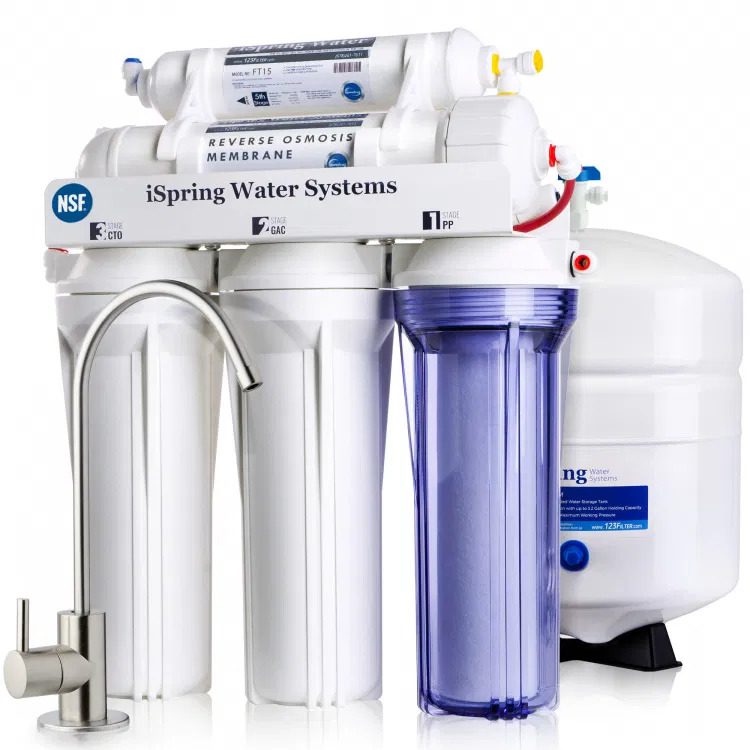
The iSpring RCC7AK Reverse Osmosis System provides multi-stage cleaning, including the stage of restoration of minerals. After the removal of contaminants via reverse osmosis, it restores vital minerals that improve the taste and harmony. This is why it’s a great choice for those who rely on a purification system for rainwater to provide drinking water for the day.
It is suitable for medium-sized to large homes that are concerned with the safety of their home, and also with taste. In conjunction with a comprehensive water treatment and drainage system, the model provides the purest, freshest water while keeping the same efficiency.
3. Pelican Whole House Water Filtration System
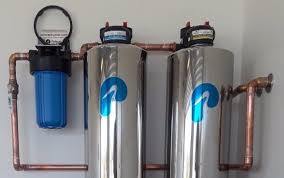
This Pelican Whole-house water filtration System is specifically designed to remove water in the entrance point to the house. In conjunction with a filtration system for rainwater harvesting It reduces the amount of sediment as well as typical contaminants prior to water flowing through showers, sinks and other appliances.
This is the best option for those who want a complete home rain water purifier system, as opposed to a singular point-of-use filter. It can be combined with reverse osmosis or UV to complete water purification, and it provides the foundation of an effective rainwater treatment system.
How a Rainwater Purifier System Is Set Up
Installation of a rain water purifier system needs careful planning for safe and effective operation. In the beginning, rainwater is taken from the roof before being directed down the gutters to the storage tank. The first flush diverter is put in place to eliminate the filthy runoff.
The water that comes out of the tank flows through a multi-stage treatment system. This includes a sediment filter and an activated carbon filter, and sometimes an ultraviolet water purifier. When the setup is advanced, the rainwater RO system can be added to provide a deeper cleansing.
An efficient plumbing layout is crucial. Pressure pumps may be necessary to distribute water all over the residence evenly. The valves to prevent backflows need to be in place to guard your main water supply. A professional installation will ensure that the rainwater treatment system operates conforming to local building laws and functions without risk.
Long-Term Cost Analysis & Return on Investment
An efficient rain water purifier system could be expensive to purchase, however, it could yield benefits over time. The initial cost of an entire rain water purifier system depends on the amount as well as the type of technology used and complex. A simple setup could cost approximately 1,000 dollars. A complete home method for purifying rainwater by UV or reverse osmosis may be more expensive.
As time passes homeowners will lessen their need for municipal water service and reduce the cost to use water. Maintenance costs can include renewal of carbon and sediment filters as well as maintaining UV lamps, and regular examinations of the water system.An efficient rainwater treatment system that is maintained will last for a long time.
Beyond saving money, an effective rainwater purification system will enhance the property’s value as well as provide the security of water during disruptions to the supply.
Safety Certifications to Look For
Suppose you are choosing a rain water purifier system, certifications of safety count. The certifications prove that your rainwater filtration device meets the tested quality and performance standards. Check for NSF certification for filters that verify that the claim of reduction in contaminants is true. ANSI standards are frequently employed to test parts like ultraviolet purifiers for water and reverse Osmosis membranes.
If you’re planning on installing a whole house rainwater purification system in your house, ensure that storage tanks are built from top-quality food-grade material. The purpose of this is to stop the chemical leaching into the rainwater taken in. The certified components will ensure that the system for treating rainwater effectively removes the heavy metals, bacteria as well as harmful pollutants.
Utilizing certified equipment can not only improve the security of water, but will also increase durability and reliability. It gives home owners the assurance that the purifier for rainwater they’ve put in place provides the safest, most reliable drinking water.
Emergency & Disaster Preparedness Benefits
A reliable rain water purifier system is essential in situations of emergency. Natural disasters, severe storms and infrastructure breakdowns may disrupt municipal water supply. When this happens, an efficient rainwater treatment system will provide an alternative source of water to cook, drink and other basic needs of the household.
Homes equipped with a complete home rainwater purification system, or solar power systems, are able to continue operation even during power interruptions. Options that are gravity-fed can be extremely beneficial for those who are without electricity. By adding a UV purifier or rainwater RO system to ensure the rainwater will remain safe throughout the time.
If you have a family that is focused on preparation for disasters, a comprehensive rainwater treatment solution provides assurance and peace of mind if traditional water supply systems can be interrupted.
FAQs About Rain Water Purifier Systems
Many home owners are worried regarding installing a treatment device. The most frequent question is whether the rainwater can be drunk safely. When you use correctly designed rain water purifier system equipment that incorporates sediment filtering, activated carbon, and reverse or UV treatment, rainwater is safely consumed.
Another concern is the size of the system. The capacity of the rain water purifier system is determined by the roof’s area as well as storage capacity. water usage in the household. It is essential to maintain the system. Filters and UV bulbs need to be changed on time so that water treatment systems operate well.
The knowledge gained from these basic concepts can help homeowners select the right rain water purifier system.
Conclusion: Choosing the Right Rainwater Purifier System
The best choice for a rain water purifier system needs a comprehensive knowledge of the quality of water and the size of your home as well as the needs of your household. An efficient rainwater purification system must include proper filtering, efficient purification such as reverse or ultraviolet osmosis and secure storage.
In some houses, an easy point-of-use rain water purifier system can suffice. Some may require a home rainwater purification system to make sure that every tap is supplied with pure water. Performance over the long term is also dependent on the regular maintenance of approved elements.
When properly installed in the right way, a rain water purifier system will provide safe drinking water and reduce the dependence on municipal water sources and increase security in water supply. If you’ve got the right installation, rainwater can become a sustainable and secure supply of water to your home.
These information are gathered from different surveys, medical tests and tech giants like google, wikipedia and more. Our top priority is to provide you valuable information.
For More Details About Different Water Filters Click Here