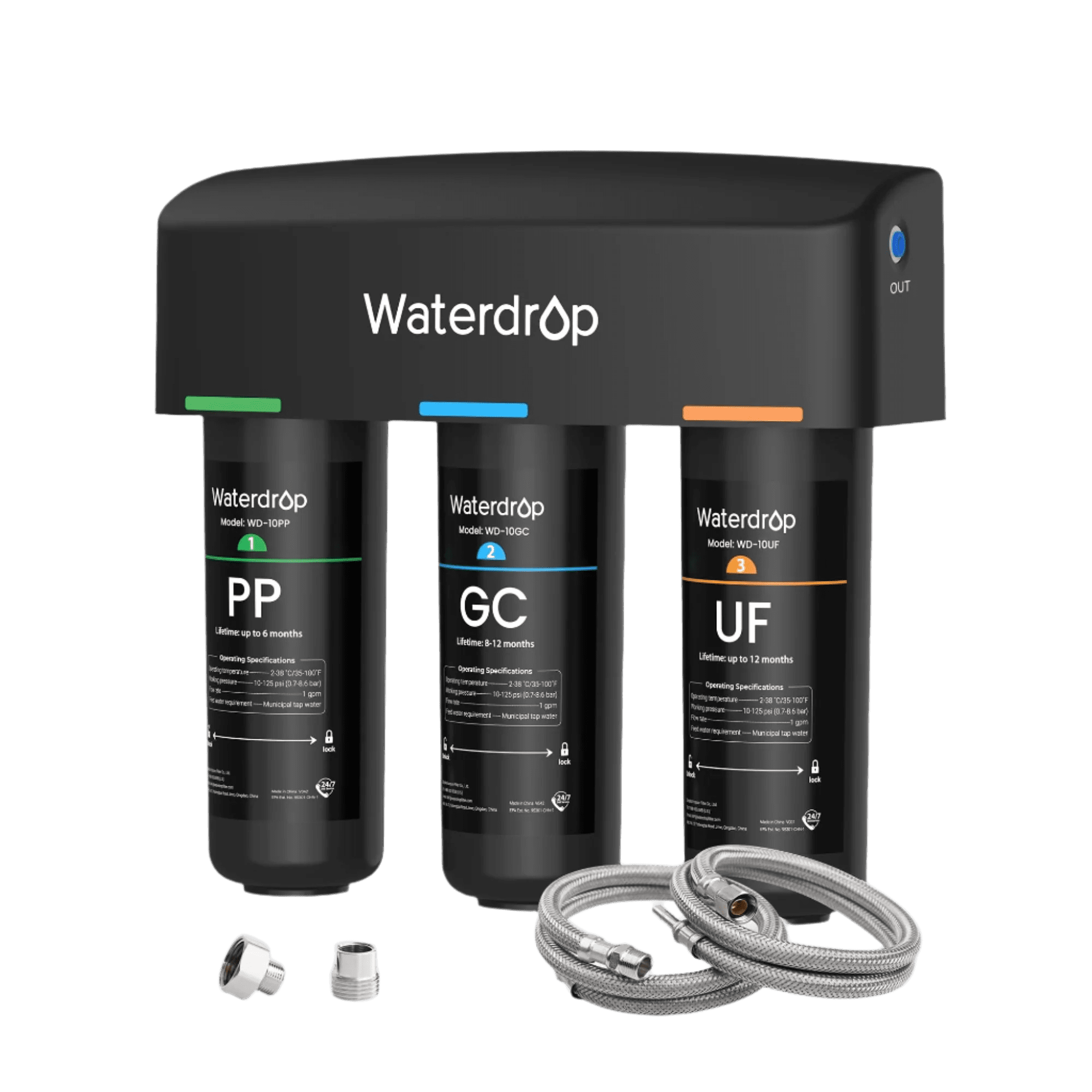
Why Some Families Are Opting for Fluoride-Free Water
A lot of households these days are monitoring exactly what goes into their drinking water, and fluoride is one element in the spotlight. Although drinking tap water usually receives a fluoridated treatment, taste and smell may be altered for some people, especially those who drink directly from the tap. For others, it’s just about wanting more control over what their family eats on a daily basis.
The water quality may also change based on location, aging pipes, and local treatment. Some homeowners and renters will then begin the search for a water filter, such as a fluoride water filter or one that removes fluoride, in order to attain better overall water quality. For home cooks, even small differences in water taste can make a difference in coffee, tea, and meals.
As this knowledge has spread, it’s caused many to look for alternative methods of obtaining clean drinking water for their family that is not so dependent on “mainstream” tap water - they are also seeking a more custom approach with their water quality that better aligns with what fits most with the needs in and around their home!
Water Filters That Can and Cannot Remove Fluoride
Not all filters remove fluoride, but some do enhance taste or clarity. The most common are inexpensive pitcher filters or faucet-mounted systems, which almost always rely on activated carbon. These filters are good at removing chlorine and odors, but typically do not filter fluoride in significant amounts.
Here’s where a lot of misunderstanding begins. A product may be advertised as a “water filter,” but that doesn’t necessarily mean it will serve as a fluoride removal water filter. If you’re trying to minimize fluoride, don’t just be satisfied with regular carbon filtration.
These kinds of filters are proven to help reduce fluoride; common technologies used are reverse osmosis or a certain type of filter media. Selecting the best water filter to remove fluoride entails knowing how the system operates and not just its apparent countertop convenience.
Water Filter Technologies That Can Remove Fluoride
In order to remove fluoride properly, a water filter would need to have more sophisticated processes of filtration. Not every system was designed with this in mind, so knowing the tech behind it makes a difference when you’re shopping for a fluoride water filter.
Reverse osmosis is one of the best choices. It filters water through a fine membrane that screens out fluoride and many other pollutants, so it is widely used for home drinking water. Activated alumina filters operate a bit differently as they draw fluoride in and capture it as the water is pulled through the media. Another type of filtering agent is bone char carbon, a natural product famous for being able to lower fluoride content.
Some households also look at distillation systems, which filter by boiling and recondensing water to remove fluoride. Every approach for filtering fluoride has specific advantages that can factor into its suitability, based on your available space, budget, and daily water usage.
Fluoride Water Filter Types for Various Homes
- Counter Top Fluoride Water Filters – Best for apartments and rented houses, they do not need (much) installation, yet can be taken along with you, while still providing reduced fluoride water to drink. They’re ideal for tiny houses or where you don’t want lots of plumbing work.
- Under-The-Sink Fluoride Water Filters – These water filtration systems are placed below the kitchen sink and connected to a direct faucet to provide more pure filtration while maintaining countertop simplicity. These systems ensure continual filtered water all day long for the entire family for daily drinking and cooking.
- Whole House Fluoride Water Filter – Reduce harmful contaminants and particles, may reduce up to 99% of lead, iron, manganese, chlorine, aluminum + more; Softer hair and skin; best for tooth health. They make sure all of your faucets, showers, and appliances receive cleaner water.
Which to Choose – Available Space, Amount of Water Used Daily, and Convenience Preference. Think about how much your family uses the internet, along with what they use it for, and that will help you decide which home internet option is best for you.
Best Fluoride Water Filters
1. AquaTru Countertop Reverse Osmosis System
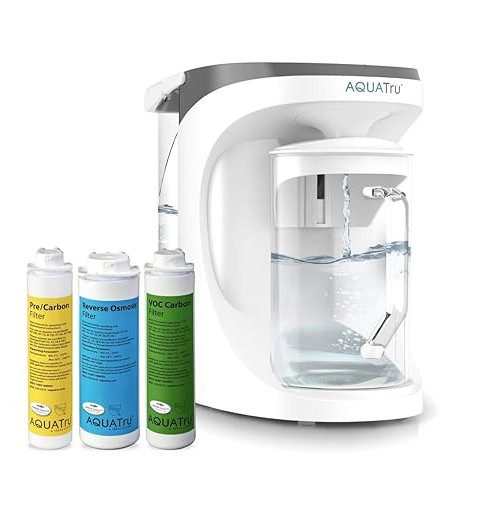
The AquaTru is a top-rated portable fluoride water filter system that utilizes stage reverse osmosis to eliminate up to 99% of fluoride as well as more than sixty other possible contaminants. It doesn’t require plumbing or under‑sink installation, and it’s perfect for apartments, rentals, or anyone who needs fluoride removal without a complex setup.
- Blows away the competition;This unit removes fluoride, lead, PFAS, microplastics, and more as effectively as the most advanced (and expensive) RO system. Removes over 99% of… everything!
- Countertop design (no plumbing required)
- Simple filter replacement and a small footprint
2. Waterdrop G3P800 Reverse Osmosis System
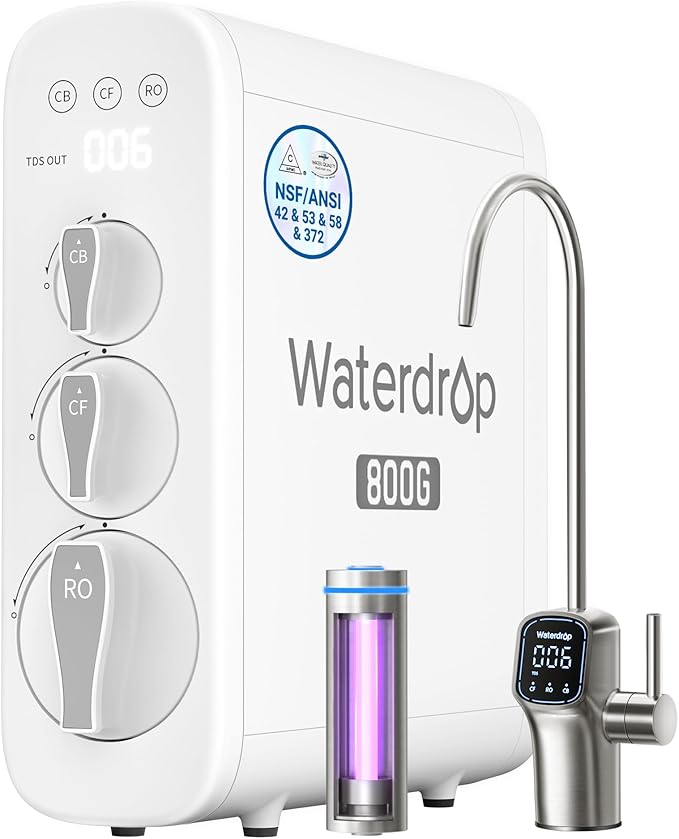
The under-sink reverse osmosis system Waterdrop G3P800 can produce a higher ratio of pure water and a quicker pace of production than the G2 series. It’s also an upgrade model for the second generation to provide you and your family with safe, clean drinking water. It uses high-grade multi‑stage filtration that reduces fluoride, heavy metals, and salts such as nitrates from your water while the tankless design saves space under the sink.
- Stage 9-10 filtrations for a wide range of contaminant removal
- Large production (800GPD) and fast delivery rate
- Stylish tankless design, NSF/ANSI certified
3. KAROFI 6 Stage Under Sink Reverse Osmosis System
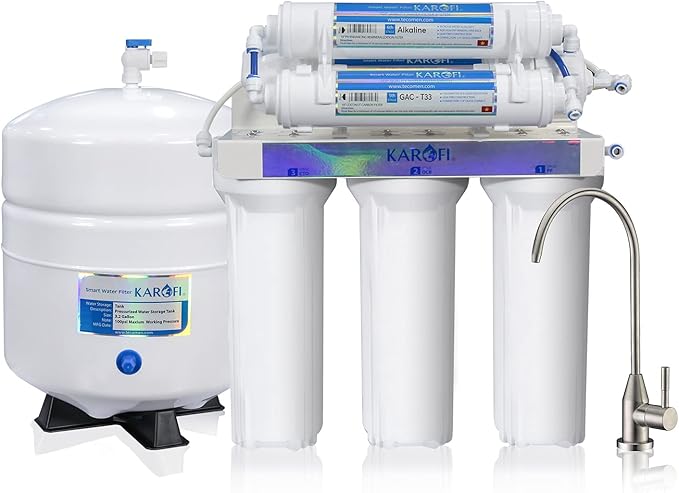
Enrich RO system integrates conventional reverse osmosis with additional stages that eliminate normal impurities and incorporate beneficial minerals for great-tasting water. It was made for under‑sink placement and provides clean, low‑fluoride water for drinking and cooking every day.
- 6-stage filtration with RO membrane for fluoride and TDS reduction
- Remineralization housing for pH balance and great taste
- DIY‑friendly installation with quick‑connect fittings
Picking the Best Fluoride Water Filter
Choosing the best fluoride water filter depends on a number of factors that coincide with what your household is looking for. Begin with the size of your household and how much water you use daily — if it’s a larger family, under-sink or whole-house systems might be more appropriate, while countertop filters might work for smaller households.
Next, consider where the system may fit and how it will be installed. Some filters are simple to install on a countertop, while others involve under-sink plumbing or professional installation. Cost also matters since you can find modestly priced pitchers or pricy reverse osmosis systems.
Last but not least is maintenance and changing the filter. Some systems need filters replaced often, but others may last longer, though they cost more upfront. Pairing these factors up results in you getting a fluoride water filter that is both effective and practical for daily use.
Certifications and Testing Standards to Consider
If you’re looking to invest in a fluoride water filter, don’t forget to do your homework and look for certifications that indicate that the system actually works. Find filters that adhere to NSF/ANSI standards, attesting to their ability to eliminate fluoride and other common contaminants. Certified filters are tested independently, so you can have confidence in the performance specifications on the brochures and technical data sheets.
A few filters publish lab test reports listing the fluoride reduction rates. These reports will help you compare products more fairly than just marketing pitches.
For total water safety, also look for certifications against lead, chlorine, or other common contaminants in addition to fluoride removal. Opt for a certified fluoride in water filter to get cleaner, healthier drinking water.
How much does it cost: The price difference vs. long-term ownership
In choosing a fluoride water filter, you’ll want to think about how much the initial purchase price is, as well as whether there are any ongoing costs associated with ownership. The countertop and under-sink filters are generally less expensive initially, while whole-house systems are likely more costly up front, but treat every tap in the house.
Long-term ownership expenses involve replacement filters, maintenance, and occasionally a professional installation. Some reverse osmosis or activated alumina systems last 6 months to a year between filter changes, while others last longer but have higher initial costs.
Looking at the overall cost over time can help you select a fluoride water filter that’s within your financial means, without sacrificing fluoride filtration. That way, you have clean drinking water, no surprise costs.
Errors People Make When Purchasing a Fluoride Water Filter
There are so many people who fall victim to one of these very easy mistakes that they make when buying a fluoride water filter, and while it may not seem like much now, it could be an important factor for performance and satisfaction. An error commonly made is to assume that all water filters eliminate fluoride(e.g., most carbon filters do not).
Another mistake is to buy a system on the basis of size and or looks alone without investigating fluoride reduction. Some users also fail to account for the costs of replacement, or how frequently they have to replace their filters, over time, and using them can be a fair amount.
Finally, others purchase a filter that is more than they need and pay too much upfront, as well as too much for maintenance. Knowing your family size, water consumption, and installation constraints helps to avoid such mistakes so that the fluoride tap water purifier you buy for your home will give healthy drinking water quickly.
FAQs About Fluoride Water Filters
I hear questions regularly about which fluoride water filter to use. A typical concern is whether reverse osmosis takes fluoride out of water all the way. Although most RO systems can eliminate the majority of fluoride, there is a range in performance, so it’s imperative to consult product information.
Another is whether the fluoride filters that attach to your countertop are effective. They are capable of reducing fluoride, but generally not to the same extent as under-sink or whole-house systems. Some homes ask if it is safe to remove fluoride from ordinary drinking water: removing fluoride is typically safe, though you should always follow the manufacturer’s instructions.
Finally, everyone wants to know how frequently fluoride filters need to be replaced. Typically, filters should be replaced every 6–12 months, depending on use. This maintenance protects your fluoride water filter and ensures you receive clean, safe drinking water.
Conclusion: Picking Up the Fluoride Filter That Suits Your Household
The best fluoride water filter will provide your family with the peace of mind that you can drink clean, safe water every day. Begin by determining how much water you use, such as family size, daily consumption, and area available for a system to fit. Look for the best fluoride water filter that suits your home—(counter-top, under-sink, and others) while looking for certifications as well as proven fluoride removal results.
Weigh initial price with long-term maintenance costs, such as replacement filters and upkeep, to find a product that offers both value and effectiveness. Oh, and avoid general mistakes such as thinking that all filters can remove fluoride or skipping the cleaning schedule. If you follow these tips, you can feel good about your purchase… and rest easy knowing that you have found a fluoride water filter for better water quality, taste, and safety.
These information are gathered from different surveys, medical tests and tech giants like google, wikipedia and more. Our top priority is to provide you valuable information.
For More Details About Different Water Filters Click Here